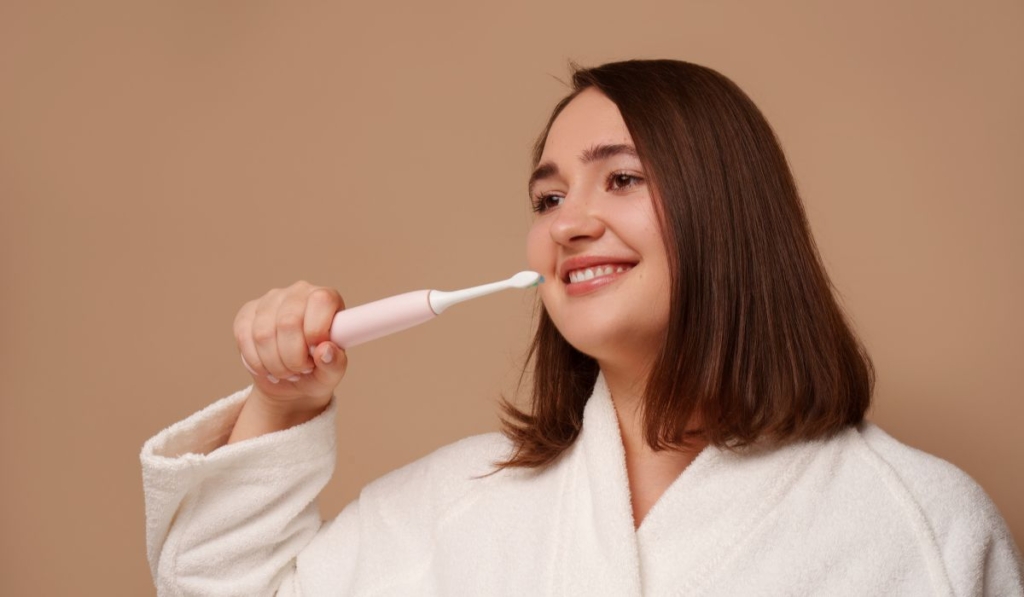
Manual vs Electric Toothbrushes: What’s the Difference?
When it comes to keeping your teeth clean, one question comes up often in our office: are electric toothbrushes really better than manual ones? The truth is that both types of toothbrushes can do a good job when used properly. The most important factor is not necessarily the brush itself, but how consistently and effectively it’s used.
A manual toothbrush has been the standard for decades and, when paired with good brushing technique, it can remove plaque and keep gums healthy. Many people prefer manual brushes because they’re simple, affordable, and easy to find anywhere. With proper brushing for two full minutes, along with daily flossing, a manual toothbrush can absolutely support strong oral hygiene.
Electric toothbrushes, however, bring a few advantages that make them appealing for many patients. The rotating or vibrating bristles can remove plaque more efficiently, especially along the gumline and in hard-to-reach areas. Many electric brushes also include built-in timers that help ensure you brush for the full recommended time. For patients who tend to rush their brushing routine, this simple feature can make a noticeable difference.
Another benefit is consistency. Electric brushes do much of the movement for you, which means you don’t have to rely as much on perfect technique. This can make brushing easier and more effective for many people. While both manual and electric toothbrushes can work well, electric brushes often help patients achieve a more thorough clean with less effort.
Who Benefits Most from an Electric Toothbrush?
While electric toothbrushes can be helpful for almost anyone, some patients benefit from them more than others. People who struggle with brushing technique, for example, often see improvements when they switch to an electric brush. Because the brush head moves automatically, it reduces the need for complicated hand movements.
Children and teenagers can also benefit from electric toothbrushes. Kids sometimes find brushing boring or rush through the process, but the built-in timers and movement can make brushing more engaging and effective. Parents often tell us their children brush longer and more consistently after making the switch.
Electric toothbrushes are also helpful for patients with limited dexterity. Conditions such as arthritis, hand injuries, or mobility challenges can make it difficult to brush effectively with a manual brush. The powered motion of an electric toothbrush can make daily oral care much easier and more comfortable.
Patients with braces, dental implants, or other restorations may also find electric brushes beneficial. These situations create small spaces where plaque can collect, and the extra cleaning power can help keep those areas healthy. That said, even the best toothbrush can’t replace good brushing habits. Taking your time and brushing gently along the gumline is still the key to maintaining a healthy smile.
Choosing and Using an Electric Toothbrush the Right Way
One common misconception about electric toothbrushes is that they do all the work automatically. While the brush head moves on its own, proper technique still matters. A common mistake we see is people scrubbing their teeth aggressively, just as they might with a manual brush. Electric brushes work best when you gently guide the brush head from tooth to tooth and let the motion do the cleaning.
Read More: What’s Safe and What’s Not About DIY Teeth Whitening?
Another mistake is brushing too quickly. Even with an electric brush, it’s important to spend enough time covering every area of your mouth. Most models include a two-minute timer and often pause briefly every 30 seconds to remind you to move to the next section of your mouth. These small cues help ensure that every part of your smile receives proper attention.
When it comes to choosing a model, there are many options available. Some electric toothbrushes are simple and affordable, while others include advanced features such as pressure sensors, multiple brushing modes, or smartphone apps that track brushing habits. For most patients, a basic electric toothbrush with a timer and soft bristles is more than enough to improve daily oral care.
Soft bristles are important regardless of the type of brush you choose. Hard bristles can damage enamel and irritate the gums, especially if you brush with too much pressure. Replacing the brush head every three months, or sooner if the bristles appear worn, is also essential for maintaining effective cleaning.
At Como Lake Village Dental, we often remind patients that the best toothbrush is the one you’ll use consistently and correctly every day. Whether you prefer a manual brush or an electric one, the goal is the same: removing plaque, protecting your gums, and keeping your smile healthy for the long term.
If you’ve been thinking about switching to an electric toothbrush but aren’t sure where to start, we’re always happy to help. At your next visit to Como Lake Village Dental in Coquitlam, feel free to ask us about toothbrush options and what might work best for your smile. Our team is here to guide you toward simple habits that support lifelong oral health.