The Rise of At-Home Teeth Whitening Trends
A brighter smile is something many people want, and it’s no surprise that teeth whitening has become one of the most searched dental topics online. Social media and online videos often promote do-it-yourself whitening methods that promise fast results using simple household ingredients or over-the-counter products. While some of these approaches may seem convenient or affordable, not all of them are safe for your teeth.
Common DIY trends include whitening strips, gels, charcoal powders, and even mixtures made from ingredients like baking soda or hydrogen peroxide. These methods are widely shared because they appear easy to use at home. Some people do see mild whitening results from certain store-bought products, but the results are often inconsistent and can sometimes come with unwanted side effects.
Charcoal toothpaste, for example, has gained popularity as a “natural” whitening solution. While it may help remove some surface stains, it is also abrasive. Over time, frequent use can wear down enamel, the protective outer layer of the tooth. Once enamel is damaged, it cannot grow back. This can actually make teeth appear more yellow in the long run because the underlying dentin becomes more visible.
Another trend involves using strong whitening products too frequently. Some people believe that using whitening strips or gels every day will speed up results. In reality, overusing these products can irritate the gums and increase tooth sensitivity. Without guidance from a dental professional, it’s easy to misuse whitening treatments and create problems instead of improving your smile.
Understanding the Risks of Over-the-Counter Whitening
Over-the-counter whitening products can sometimes help lighten mild stains, but they are not always designed with your individual dental health in mind. Teeth whitening products contain bleaching agents that break down stains within the enamel. When used incorrectly or too often, these ingredients can irritate soft tissues in the mouth and make teeth temporarily sensitive.
One common issue is uneven whitening. Over-the-counter strips and trays are made to fit a wide range of mouths, which means they may not contact every tooth evenly. This can lead to patchy results or areas that appear lighter than others. Patients with dental restorations such as crowns, fillings, or veneers may also notice colour differences because these materials do not respond to whitening products in the same way natural teeth do.
Another risk involves using whitening treatments on teeth that have underlying issues. If a tooth has decay, a crack, or gum disease nearby, whitening products can worsen discomfort or cause further irritation. Without a dental exam beforehand, it’s difficult to know whether whitening is appropriate or safe.
Sensitivity is also a concern for many people. Whitening agents temporarily open the pores of enamel so stains can be removed, which can lead to short-term sensitivity to hot or cold foods. While this effect is usually temporary, excessive use of whitening products can make the discomfort more noticeable and longer lasting.
Because every smile is different, a one-size-fits-all approach to whitening often falls short. What works well for one person may not be ideal for someone else, particularly if there are existing dental conditions involved.
Read More: Is Teeth Whitening Right for You?
Professional Whitening and a Safer Path to a Brighter Smile
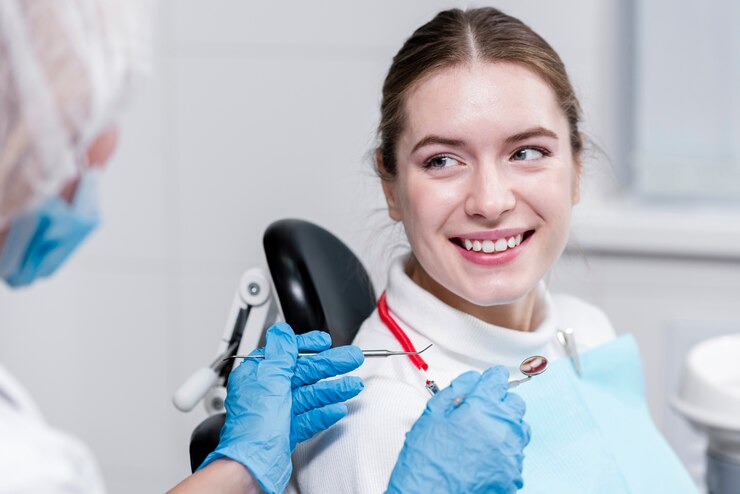
Professional whitening treatments offered through your dentist are designed to be both effective and safe. Before recommending any whitening treatment, your dentist will first examine your teeth and gums to ensure they are healthy enough for whitening. This step alone helps prevent many of the problems that can occur with unsupervised whitening products.
Professional treatments also use carefully controlled whitening agents that are stronger than most over-the-counter options. Because the process is supervised, these products can be applied in a way that minimizes sensitivity and protects the surrounding gums. Custom trays or professional techniques ensure the whitening gel is distributed evenly across the teeth, producing more consistent results.
Another benefit of professional whitening is that it is tailored to your goals. Some patients want subtle brightening, while others are hoping for more dramatic results. Your dentist can recommend a whitening approach that fits your needs while maintaining the health of your enamel and gums.
Professional whitening can also address the type of staining you have. Some stains come from foods and beverages like coffee, tea, or red wine, while others develop from aging or medications. Understanding the cause of discoloration allows your dentist to recommend the most effective solution.
At Como Lake Village Dental, we often remind patients that whitening works best as part of a complete oral health plan. Maintaining regular cleanings, brushing and flossing daily, and limiting stain-causing foods can help extend the results of any whitening treatment.
If you’ve been considering whitening your teeth but feel unsure about the many products and trends available online, it may be helpful to speak with a dental professional first. Scheduling a safe whitening consultation at Como Lake Village Dental in Coquitlam can help you explore options that brighten your smile while protecting your teeth and gums. Our team is always happy to guide you toward results that are both beautiful and healthy.